PU Screen Panels for Stack Sizers
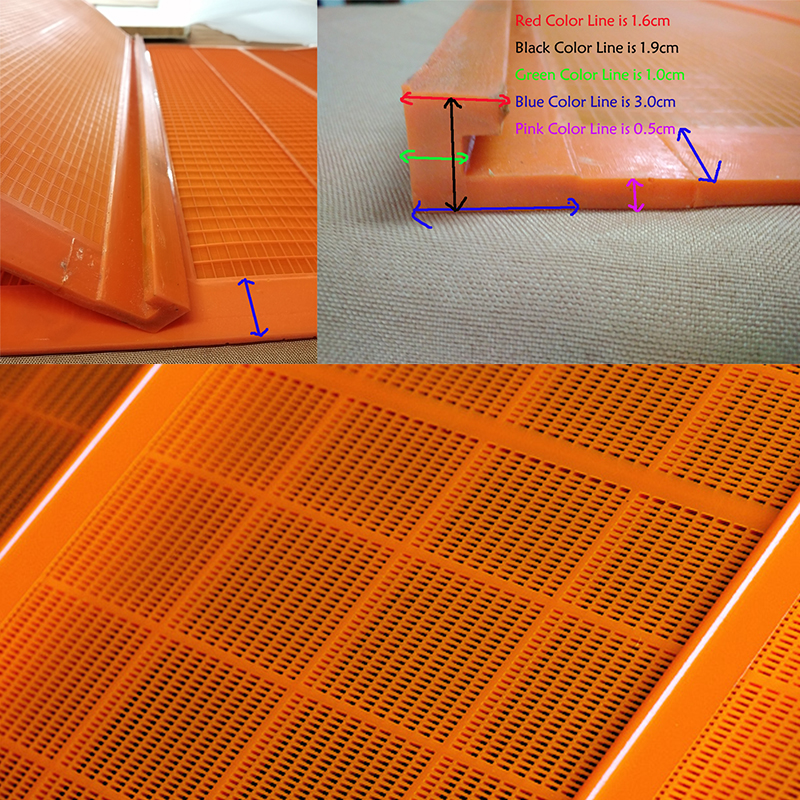
PU screen panels for stack sizers are the panel form named on the supplier PU page: a PU mesh panel for stack sizer machines, used for fine mineral classification. This page describes that panel form and that classification task, and it does not publish aperture figures, thickness figures, hardness figures, or a specification table for any panel.
The stack sizer panel form, as published
The supplier PU page names several panel names, including PU Mesh Panel for Stack Sizer, Fine Mineral Screening Panel, Polyurethane Classifier Screen, Stack Sizer PU Panel, and High-Precision Ore Sieve. This page covers the stack sizer panel form among those names: a PU mesh panel made for stack sizer machines, used for fine mineral classification. The other names are listed here only as published panel names, and each is described on the page that matches its task.
The panel form matters because the machine matters. A panel made for a stack sizer machine is fitted to that machine type, and its screening task is fine classification rather than general separation. A buyer should therefore name the machine type as well as the panel type in the inquiry, so the supplier can answer about fit for that machine.
Fine mineral classification as a screening task
Fine mineral classification asks a screen to separate fine material cleanly. The feed is fine, the separation must be clean, and the screen must keep separating as fine material passes across it. That task differs from coarse separation, where the feed is larger and the separation is less sensitive to material that clings or blinds a surface.
Fine classification also raises questions about the circuit: whether it is wet or dry, how the material is fed, and what happens to the fractions after classification. The fine mineral screening guide describes that task in fuller terms, and this page describes the panel form made for it. A buyer should read both pages together, and should name both the panel form and the classification task in the inquiry.
Polyurethane as the panel material for this form
The stack sizer panel described here is a polyurethane panel, and polyurethane is described on the polyurethane screen panels page as a resilient surface. That resilience bears on how the surface behaves under impact and under a feed that varies, and on how it sheds material that might otherwise cling. Those behaviours are described in plain terms on both pages, because the supplier website does not publish item-by-item figures for this line.
Material choice is not the whole story for this panel form. The panel must also fit the stack sizer machine it will be fitted to, suit the material being classified, and be maintainable in service. A buyer should describe the machine, the material, and the setting in the inquiry, rather than asking about a panel material in isolation.
Wet and dry circuits for fine classification
The supplier PU page notes that its panel description covers both wet and dry circuits. That note matters for fine classification, because a circuit changes how material behaves on a surface: wet material flows differently from dry material, and damp material can cling where dry material would not. A buyer should therefore say which circuit the panel will work in, because a panel recommendation given for one circuit may not hold for the other.
Circuit is one of several setting questions that belong in the inquiry. Others concern the feed itself, the machine type, and what happens before and after classification. The stack sizer guide lists those questions in order, so the inquiry can cover the circuit, the feed, and the machine together.
Stack sizer panels against general screen panels
A stack sizer panel and a general screen panel serve different tasks, and keeping them distinct helps the inquiry. A general screen panel serves separation across a wider range of material on a general vibrating screen, while a stack sizer panel serves fine classification on a stack sizer machine. A buyer who needs fine classification should name the stack sizer panel form, and a buyer who needs general separation should name the general panel line.
That distinction is why this page exists alongside the polyurethane screen panels page and the vibrating screen panels page. Each page describes one task, and together they cover the panel range without blurring one task into another. An inquiry that names the right page will receive a reply about the right task.
Questions that belong in a stack sizer panel inquiry
An inquiry about stack sizer panels should name the panel form, describe the material being classified, and describe the stack sizer machine the panel will be fitted to. It should say whether the circuit is wet or dry, whether the feed tends to cling or to blind openings, and what happens before and after classification. It should ask about availability, about certificates, and about timing, and it should confirm the minimum order quantity and the lead time before payment.
Those questions are gathered on the screen panel inquiry checklist page and on the stack sizer guide. A brief written that way gives the supplier a task to answer, and it usually produces a reply that addresses the actual classification task, rather than a general description of a panel line.
Questions to settle for a stack sizer panel inquiry
- Which stack sizer panel form is under consideration?
- What material is being classified, and is the circuit wet or dry?
- What stack sizer machine will the panel be fitted to?
- What happens before and after classification?
Related pages